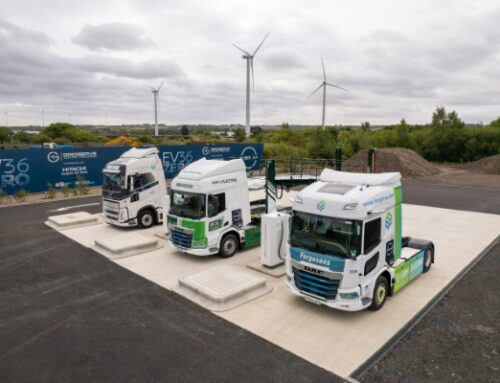

Truck fleets slash carbon emissions with HVO

Baxi began the transition to HVO in 2024
Heating and hot water system manufacturer Baxi has claimed a 37 per cent reduction in CO2 equivalent emissions from its own-account truck fleet after initiating a switch to HVO. It began the transition to the renewable fuel in 2024 and saw its total emissions from the fleet fall from 260 tonnes CO2e in 2024 to 163 tonnes CO2e in 2025. Completing the transition in this year will force annual fleet emissions down to just 3.5 tonnes CO2e: a reduction of 98 per cent.
Additionally, the company has tightened planning of truck routes to avoid unnecessary journeys, increase efficiency and minimise total distance travelled. This includes optimising vehicle loads, ensuring trucks are fully utilised to minimise trips and improve overall fuel efficiency. The company has also introduced regular driver training to promote efficient driving techniques, embed eco-friendly behaviours and improve awareness of fuel-saving practices. Crucially, the core business needs fulfilled by Baxi’s truck fleet continues uninterrupted by the change in fuel.
The drive for sustainability comes as part of Baxi’s journey towards becoming carbon neutral in all operations by 2030. This has seen energy efficiency become a guiding principle for Baxi’s manufacturing, product developments and logistics.
Dennis Reed, transport operations manager at Baxi, said: “We’re really pleased with how successful and cost-effective the switch to HVO has been. We’re seeing better miles per gallon now, meaning that HVO is letting us go further while keeping emissions for the fleet at a bare minimum. It’s also proving to be consistently better for the vehicles with no significant changes needed to maintenance.”
The move to HVO indicates the role transitional fuels can play in reducing emissions and protecting the environment now, while Baxi explores longer-term solutions such as fleet electrification and alternative drivetrains.
Chloe Bottomley, Baxi’s environment, health and safety advisor, said: “The adoption of HVO in place of traditional diesel fuels is a huge step forward that will be followed by further sustainable developments. As a heritage manufacturer of heating and hot water solutions, celebrating our 160 anniversary this year, we have a responsibility to help homes and businesses move towards cleaner technologies such as heat pumps and heat networks and continue to innovate to drive the energy transition.
“It naturally follows that we must also transform the way we operate. The move to HVO is just one example of how we are making similar strides in our own internal processes and resourcing to reduce the carbon intensity of our operations.”
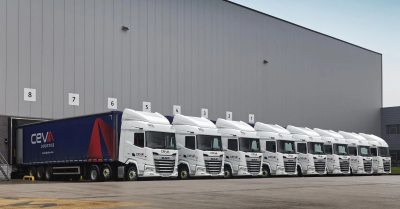
Ceva Logistics’ new DAF XF vehicles
Meanwhile, multinational Ceva Logistics has introduced 165 new DAF XF trucks to its UK fleet, based in Ashby-de-la-Zouch, Leicestershire. The trucks will predominantly run on HVO, supporting the operator’s strategy to reduce environmental impact while maintaining operational performance, as it works towards its commitment to reach net zero by 2050.
The DAFs, supplied by Ford & Slater and leased from TIP Group, will mark a significant increase in the number of UK-based trucks operated by the company. The vehicles feature advanced fuel-efficient drivetrains, aerodynamic cab design and the latest safety technologies, helping reduce fuel consumption while improving driver comfort and operational performance.
Paul Farr, vice president, Ground & Rail Europe, Ceva Logistics, said: “This investment demonstrates our long-term commitment to the UK market and to the customers who depend on us every day. By investing in a modern, lower-emission fleet supported by advanced digital technology, we are strengthening the reliability, quality and sustainability of our UK operations.
“As a strategic pillar of our corporate CSR strategy, we are committed to Acting for Planet and will continue to invest in two carbon solutions that reduce emissions and enable our customers to meet their own decarbonisation goals.”