
When a truck needs a clutch
 A clutch replacement can involve far more than fitting a new disc and pressure plate. Diesel Technic’s Parts Specialists explain what else operators should expect the workshop to assess before the vehicle returns to service
Clutch problems do not always begin with a vehicle that will no longer move. Drivers may notice slipping under load, judder when pulling away, difficulty selecting gears, clutch drag or a change in how the vehicle engages drive.
Diesel Technic’s Parts Specialists say those early observations can be useful. Rather than asking drivers to diagnose the fault, operators should encourage them to report changes while they can still describe when and how they happen. Is it worse when pulling away? Does it happen under load? Has gear selection gradually become more difficult?
Giving the workshop that information can provide a useful starting point. And if the diagnosis is that the truck needs a clutch, the workshop may need to look beyond the clutch kit itself.
‘It needs a clutch’ may only be the starting point
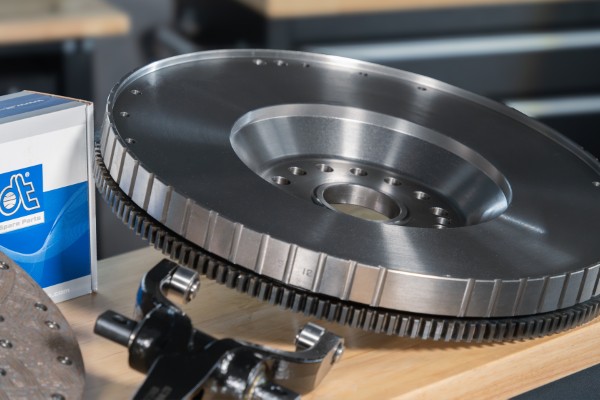
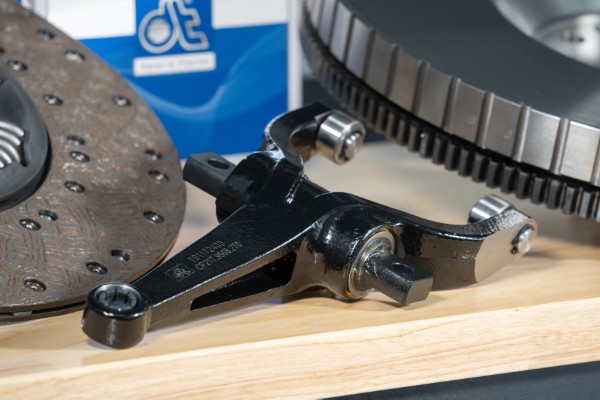
Once the vehicle is inspected, other parts may also need attention. The flywheel, release mechanism, bearings, seals and actuation system all play a part in how the clutch works, while the condition of the old components can point to problems elsewhere.
Oil contamination, for example, may indicate a leak that needs tracing. Damage to the clutch disc’s torsion dampers can be linked to excessive vibration in the engine or driveline, while discolouration or scoring on the flywheel can be a sign of excessive heat.
 For the operator, the important point is not how those checks are carried out, but what they reveal. If the workshop recommends replacing more than the clutch kit, it should be able to explain what it has found and why the additional work is needed.
Ask what else has been checked
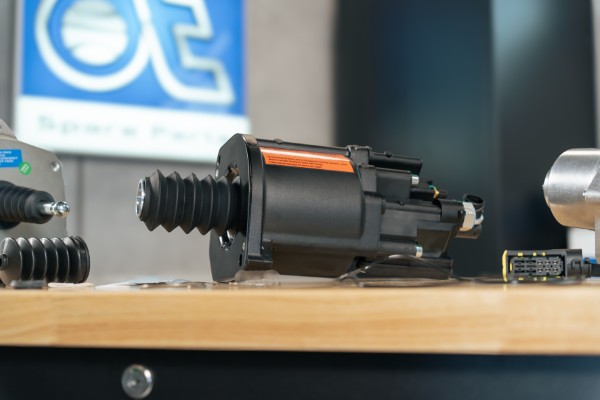
The parts that operate the clutch deserve attention too. Diesel Technic’s clutch servo guidance advises checking the pedal system, electrical activation, air supply and connecting lines because faults in these areas can affect clutch operation.
So, a quote that includes more than the clutch kit does not necessarily mean the job is becoming unnecessarily complicated. If extra work is recommended, ask why it is needed and whether it makes sense to deal with it while the vehicle is already dismantled.
The right parts matter too
Operators may not be choosing the components themselves, but they need confidence that the parts being fitted are the right quality and specification for the truck. Clutch and flywheel designs, release systems and actuation components vary between applications, so accurate identification also helps avoid delays caused by incorrect parts.
Diesel Technic’s DT Spare Parts range includes clutch kits, discs, flywheels, seals and associated components for major commercial vehicle applications, with vehicle-specific identification available through the Partner Portal.
How parts are supplied can make a practical difference too. For relevant applications, DT Spare Parts offers clutch master and slave cylinders already connected, pre-filled and bled, reducing the work required during replacement.
 Know what has been done before the truck returns
Operators do not need to understand every detail of a clutch installation, but they should expect the workshop to explain clearly what has been done before the vehicle comes back into service. That includes any additional components replaced and, where required, electronic adaptation of the new clutch.
In practical terms, the questions are straightforward: What went wrong? What did you replace? Did you find anything else we need to know about? And is there anything we need to keep an eye on once the truck is back on the road? Diesel Technic supports workshops with product and application information through its Parts Specialist HelpDesk, alongside practical PS Tips guidance.
A clutch repair may simply start with “it needs a new clutch”, but there can be considerably more behind the job. For operators, knowing what has been found and what has gone back onto the vehicle means they can put the truck back to work with a much clearer understanding of the repair that has been carried out.