
Intangles: mechanical health is ‘forgotten variable’ in fuel efficiency
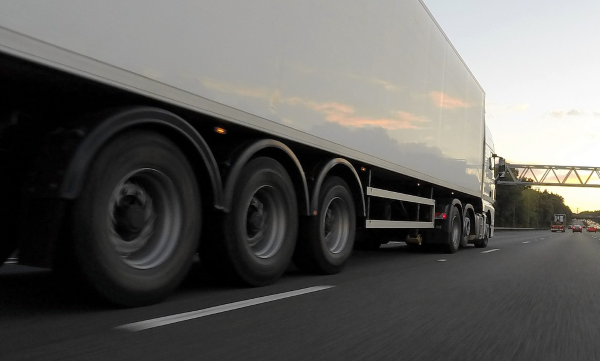 Commercial fleet fuel reduction strategies almost invariably centre on the driver, says fleet management specialist Intangles – with speed limiters, route planning, and eco-driving modules dominating agendas.
“Yet, these behavioural measures address only half of the equation,” said the company. “Even the most disciplined driver cannot prevent excess diesel burn if the engine itself is suffering from hidden mechanical friction.”
Fuel economy is rarely lost in a single dramatic event, says Intangles; it trickles away in fraction-of-a-percent losses across thousands of miles.
“Legacy telematics systems fail to capture these losses because they rely on standard diagnostic trouble codes (DTCs). These codes trigger only after a component crosses a total failure threshold. In the weeks or months leading up to that check-engine light, the vehicle operates in a degraded mechanical state, silently consuming excess fuel without alerting the workshop.”
Predictive physics-based analytics, such as the technology developed by Intangles, target these invisible fuel drains.
“By analysing high-frequency data directly from the vehicle’s CAN bus, Intangles physics-based AI creates a Digital Twin of the vehicle. This real-time modelling of the engine’s behaviour that cannot be done by legacy systems enables fleets to move on from driver coaching and preventative maintenance regimes to undertaking precision interventions to keep the engines running at peak efficiency. Using patented algorithms Intangles can tell how much fuel is being burned to accuracies unrivalled even by OEMs. This, combined with insights into how the rest of the engine is functioning, means they can recommend adjustments that will reduce a fleet’s fuel burn (and carbon footprint).”
Modern diesel engines depend on precise air-to-fuel ratios for complete combustion, explains the company.
“Micro-anomalies, such as a clogging DPF, a leak in a hose, or a sticking EGR valve, rarely trigger fault codes immediately. However, they force the Engine Control Unit (ECU) to inject extra fuel to maintain requested torque, quietly inflating the fleet’s diesel bill. Identifying these early on means that preventative action can be taken to keep the fleet at peak efficiency…
“Engines achieve peak fuel efficiency within a narrow thermal window. If a thermostat fails open or a cooling fan clutch engages unnecessarily, the engine runs cold or suffers from parasitic mechanical drag. By comparing fluid dynamics against expected physical models, predictive analytics catches thermal inefficiency before it turns into noticeable fuel inflation, allowing fleet engineers to adjust thermostats – a five or ten degree variance from the ideal might be costing £20 a day or more in excessive burn – numbers that quickly add up.”