
Talking van security with TVL Group
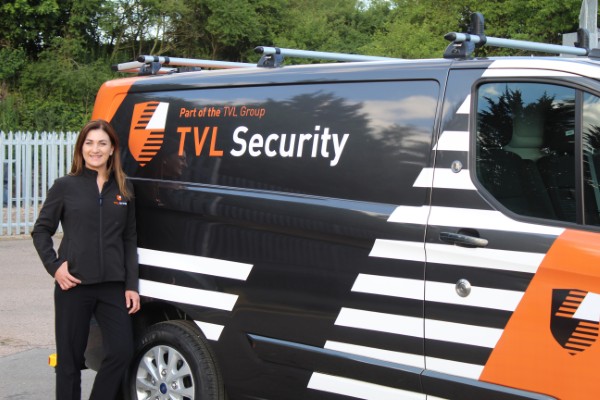
Laura Moran of TVL Group
Vehicle security continues to be a growing priority across the light commercial vehicle sector, driven by persistent levels of van theft and the rising value of the tools, equipment and cargo carried by operators.
In response, manufacturers have invested heavily in improving the inherent security credentials of their vehicles in recent years, says security specialist TVL Group. Features such as sophisticated immobilisers, remote locking systems, integrated alarms and connected telematics are now commonplace across many model ranges, it reports, while security is also being considered much earlier in the vehicle development process, reflecting growing demand from fleets for greater protection against theft.
“The progress made by vehicle manufacturers has been significant,” said Laura Moran, managing director of TVL Group. “Security is no longer viewed as an optional extra. It has become a core part of the vehicle proposition, driven by both customer expectations and the increasing operational impact of vehicle crime.”
While the latest generations of vans offer significantly higher levels of protection than their predecessors, says the firm, the development cycle for a new vehicle platform can span several years, requiring manufacturers to design for threats that may look very different by the time the vehicle reaches customers. For the commercial vehicle sector, this creates an ongoing challenge.
“This isn’t a question of OEMs standing still,” Moran explained. “The reality is that vehicle development cycles are measured in years, while criminal tactics can change in months. That’s why security has to be viewed as an ongoing process rather than a finished product.”
This dynamic has helped reinforce the importance of the aftermarket within the wider vehicle security landscape, TVL contends: unlike vehicle manufacturers, specialist security providers operate much closer to the front line of vehicle crime. Their relationships with fleets, insurers, police forces, converters and installers provide visibility of emerging theft trends as they occur, allowing new solutions to be developed in response to identified vulnerabilities and changes in criminal behaviour.
According to Moran, that responsiveness remains one of the aftermarket’s key strengths.
“We work with operators dealing with these risks every day,” she said. “That provides valuable insight into how threats are changing and where criminals are focusing their attention. In many cases, it allows specialist providers to identify trends and develop practical countermeasures much more quickly.”
The role of the aftermarket is therefore not to replace OEM security, says TVL, but to complement the protections already designed into modern vehicles. Security requirements can vary significantly depending on vehicle application, operating environment and the type of equipment being transported. A utilities provider, for example, may face very different risks to a parcel delivery operator or a contractor carrying specialist tools. As a result, many operators are seeking more tailored approaches to vehicle protection, contributing to closer collaboration with aftermarket specialists that can provide additional expertise, application-specific knowledge and rapid product development capabilities.
“Some of the strongest security outcomes are now being achieved through collaboration,” said Moran.
“Manufacturers provide the engineering foundation and integrated vehicle systems, while specialist providers contribute agility, market intelligence and a detailed understanding of emerging threats. Those strengths are highly complementary.
“Having worked closely with several major manufacturers for many years, we’ve seen first-hand how combining these different areas of expertise can help deliver more effective security solutions for operators.”