
Vectec: why depot fuelling equipment needs routine care
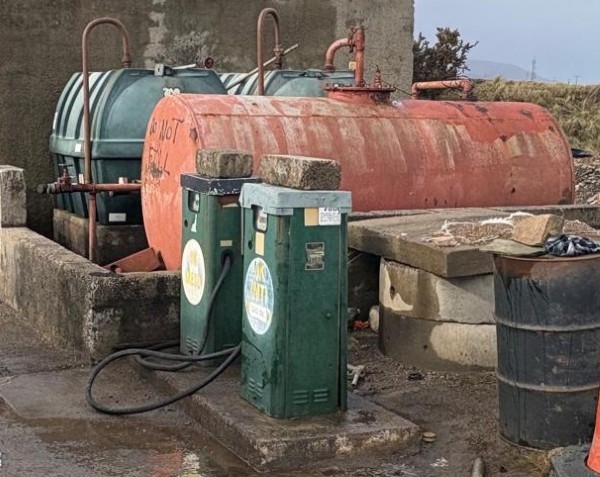
Fuel pumps that have served beyond their design life
Fuel systems specialist Vectec has outlined the importance of implementing a robust maintenance regime for depot fuelling equipment.
According to Bert Fowler, managing director at Vectec, the equipment most likely to cause an expensive problem in the future is often the equipment giving no trouble at all today.
“Fuel pumps, tanks and underground pipework are easy to overlook,” he explained.
“They sit in the same place, work every day and rarely demand attention. On a busy depot, equipment that has never missed a beat is unlikely to be first on the service list.”
That is also how many failures develop unnoticed, says Bert.
“Fuelling equipment rarely fails politely. It either deteriorates slowly, with few obvious signs, or stops suddenly and takes a pump, vehicle or morning’s operation with it.
“Vectec engineers regularly open dispensers and tanks that have gone untouched for years and find the same problems: blocked filters, sludge in the tank, overheating control equipment and hoses beginning to perish. Most of it could have been caught earlier. A planned service is designed to identify both slow and sudden failures before they disrupt the site.
“Many slow failures begin with water. Water enters tanks through condensation, worn seals, damaged fittings or occasionally with the fuel delivery itself. Modern diesel containing FAME holds water more readily and has a shorter storage life than older fuels.
“In a warm, dark tank, water can lead to microbial contamination, commonly known as diesel bug. This creates sludge, blocks filters, corrodes tanks and can eventually reach vehicle injection systems.
“The cost difference is significant. Replacing a filter is relatively inexpensive. Replacing an injection pump and losing the use of a vehicle is not.”
Fuel meters also wear gradually, says Bert; as readings drift, a site may unknowingly give fuel away or dispense less than recorded.
“Often, the first sign is wetstock that no longer reconciles, after the discrepancy has already continued for months.
“Buried pipework and tanks can also deteriorate without any obvious surface signs. Pressure and tightness testing provides a clear pass or fail, allowing weaknesses to be repaired before they become leaks or spills.
“Tank coatings and bunds matter too. Once paintwork breaks down, corrosion can follow.”
Keeping tanks, lines and containment in good condition forms part of the site operator’s pollution-prevention responsibilities, he advises, and supports compliance with relevant regulations.
Sudden failures are easier to notice but far more disruptive, Bert explains.
“A control relay can burn out and leave a pump running. A hose can split under pressure. A motor or drive component can fail without warning. At that point, the issue is no longer just maintenance cost. It becomes a safety and environmental risk.
“A leaking hose can cause a spill. A pump that does not shut off can create a fire hazard… Routine servicing brings these problems into view on the operator’s timetable, rather than during a busy shift with vehicles waiting to refuel.”
Site teams do not need specialist knowledge to spot the early signs, Bert contends. He highlights a range of potential problems that can arise, including that of ageing pumps.
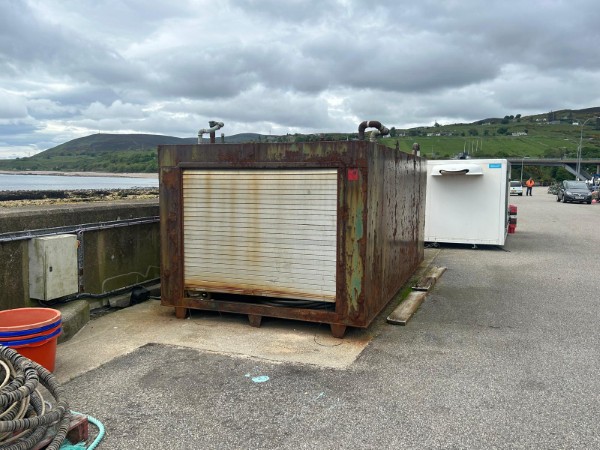
Fuel storage tank paintwork corrosion
“Parts for older dispensers can be difficult to source. The risk is not simply that the pump fails, but that no replacement part is available when it does. Where equipment is clearly nearing the end of its life, plan the replacement before failure forces the decision.”
Another issue that can occur is slow fuel delivery.
“Slow dispensing usually points to a blocked filter or strainer, often caused by water, debris or sludge. It is worth checking both the filters and the condition of the stored fuel.”
New or unusual motor noises can indicate worn belts, pulleys or bearings, says Bert.
“Caught early, this may be a straightforward repair. Left alone, it can lead to motor failure.”
In the case of a pump that does not always switch off, “this should not wait until the next scheduled service,” he warned.
“It may indicate a failing control relay, which can leave the pump running, draw excessive electrical load and create a fire risk.”
Perished hoses can leak, he adds, while worn nozzles may develop sharp edges that put staff at risk.
“Both should be replaced before they fail in use.”
Vectec advises a structured inspection of the full installation, including pumps and dispensers; filters, hoses and nozzles; control equipment; tanks and bunds; underground pipework; and fuel quality and contamination.
“A first service will usually identify a combination of straightforward repairs and more substantial remedial work. Addressing these issues improves day-to-day reliability and provides a clearer basis for planning future investment.
“Vectec’s planned maintenance programmes help operators schedule ongoing work around their budgets, operational requirements and site activity, rather than waiting for equipment failure to dictate the timing.
“The aim is not to replace equipment unnecessarily. It is to understand its condition before it chooses the timing for you. If any of these warning signs sound familiar, arranging a service now is likely to be simpler and less expensive than dealing with an unexpected failure later.”
Bert added: “It’s never the equipment people are worried about that catches them out. It’s the pump that’s run for years without a word of complaint. We open dispensers that haven’t been touched since they went in and find the filters blocked solid, sludge and water in the tank, fuel hoses that should’ve come off two years ago. That doesn’t happen overnight.
“So my advice is get someone to look at it properly. Find out what condition it’s in, work out what needs doing and when you can afford it. Leave it, and the equipment picks the timing for you.”