
OTS: good fuel management starts before the first litre is dispensed
 While software, access control and reporting are important elements of fuel management for transport operators, they only show part of the picture, according to OTS Group.
“The real commercial value comes from understanding the full fuel system: how fuel is stored, how it moves through the depot, who can access it, how usage is recorded, and how the fuel and infrastructure are maintained over time,” said the company.
“That is why OTS Group looks at fuel management as part of the overall infrastructure, not just a technology layer. If tanks, gauges, pumps and dispensing equipment have been specified separately, or added over time without a clear plan, operators may have gaps in visibility and control. Reliable data starts with reliable infrastructure.”
Neil Betteridge, projects and production director at OTS Group, said: “Fuel management is sometimes talked about as if it starts and ends with the software. It’s as important to understand that the infrastructure and equipment that sits behind the software, is critical to a well designed system.”
That approach, says OTS, is at the heart of how it works with its clients, whether it’s delivering a brand-new installation or upgrading an existing system. With more than 50 years of experience in fuel storage and handling, OTS designs and manufactures its fuel tanks in-house, installs and maintains the supporting infrastructure, and integrates the monitoring technology that brings everything together.
“The real value isn’t simply in offering all of these services under one roof – it’s in ensuring that every element is designed to work seamlessly together from day one,” said the firm. “In practice, this means treating fuel management technology as part of a wider infrastructure solution.”
This can include fuel storage tanks tailored to specific site operations, dispensing equipment matched to the volume of vehicles being fuelled, automatic tank gauging and AVI systems for greater stock visibility and access control, fuel management software that makes tracking and reporting fuel usage straightforward, and pump and dispenser maintenance to help maximise uptime and reliability.
At depot level, good fuel management gives operators a clear view of what is happening across the site, says OTS.
“It links the physical infrastructure with the data needed to manage it, so stock levels, dispensing activity, vehicle access and maintenance needs can be understood together.
“This matters because even small gaps in a fuel management system can have a real impact on day-to-day operations. An unreliable gauge can affect stock accuracy, manual record-keeping can make fuel usage harder to track, and ageing pumps or inconsistent equipment across depots can increase downtime and maintenance costs. Left unchecked, these issues can gradually erode efficiency, visibility, and control.”
Modern fuel management systems give operators much greater oversight of how fuel is controlled, dispensed and recorded, the company adds, helping to identify who is fuelling, which vehicle is being fuelled, how much is drawn and when each transaction takes place.
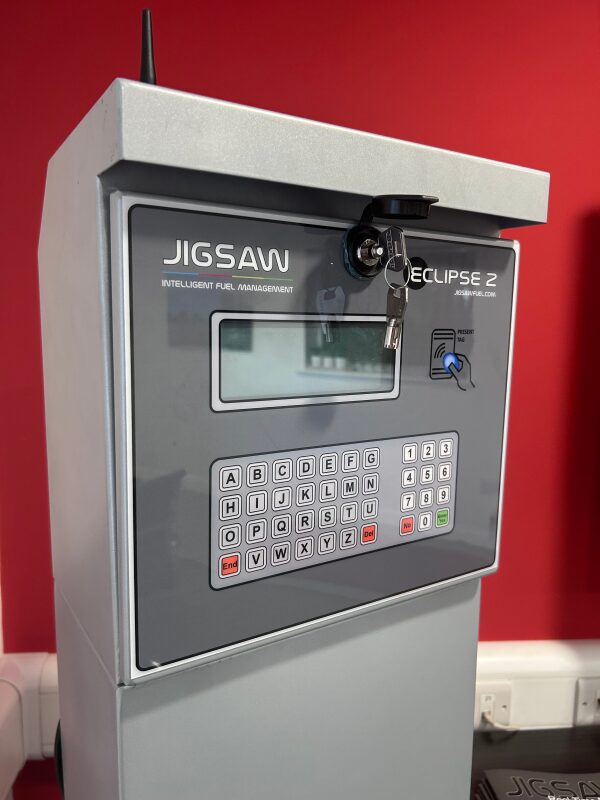
“This is where systems such as Jigsaw Fuel Management, EasyFuel+ Automatic Vehicle Identification (AVI) and Automatic Tank Gauges play a central role.
“Jigsaw provides a web-based platform for live fuel usage, inventory levels and reporting. For multi-site operators, this means fuel data can be viewed centrally.
“EasyFuel+ AVI controls access at the pump by identifying approved vehicles before fuel is dispensed. This helps prevent unauthorised use, misfuelling and fuel being drawn for the wrong vehicle or container.
“Automatic Tank Gauges provide live visibility of tank contents. When combined with wider fuel management technology, they help operators track deliveries, monitor dispensing activity and maintain accurate stock records, improving both control and accountability.”
Clear data on deliveries, dispensing activity and stock levels allows operators to buy fuel against real demand rather than estimates, improving both financial control and forecasting, explains OTS – while greater visibility can help identify potential leaks, detect issues and support environmental targets.
The real advantage of managing fuel infrastructure as a single-source system is accountability, it says: if one supplier installs the tank, another installs the pumps, another provides the software and another maintains the equipment, the operator can be left coordinating the gaps. OTS combines fuel storage design and manufacture, site installation, maintenance and technology integration, which it says enables operators to look at fuel as one connected system.
Neil Betteridge commented: “When it’s all under one roof, the operator knows exactly who to call if there’s a problem. They aren’t trying to juggle five different suppliers and work out who’s responsible for what. They get one system, one point of contact, and the confidence that everything has been designed to work together.”