
Simplifying EV charging with Michelin Connected Fleet
 With fleet electrification gathering momentum, Michelin Connected Fleet has highlighted the importance of connected data, smarter charging and operational efficiency in helping businesses manage the cost of going electric.
The transition to electric vehicles is changing the way commercial fleets operate, but while much of the industry conversation focuses on vehicle selection, range and charging infrastructure, an equally important challenge is emerging, the telematics specialist says: how operators can manage the ongoing costs and complexities of running an electric fleet.
“For fleet managers, charging is no longer simply about finding an available plug,” said Michelin Connected Fleet.
“Drivers may need to navigate multiple charging networks, tariffs and payment systems, while businesses need greater visibility of energy consumption, charging expenditure and vehicle utilisation.”
The company says it is helping make better use of connected vehicle data to improve operational efficiency, manage costs and support their transition towards more sustainable mobility.
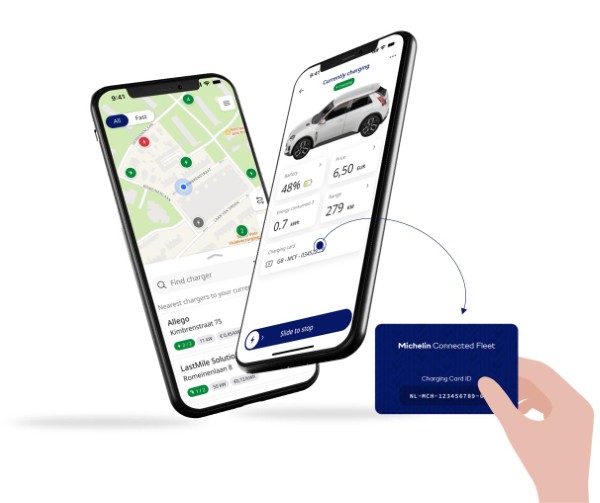
Its Michelin EV Charge service has been developed to simplify public charging for fleet drivers and managers, providing access to more than 1.2 million charging points across Europe through a single card and dedicated mobile app.
Drivers can locate available charging stations, plan journeys and identify suitable charging options, helping to simplify the experience when vehicles are operating away from their usual depot.
“For fleet managers, transparent pricing, no additional network charges and, in certain cases, negotiated tariffs provide greater visibility of charging expenditure and opportunities to keep energy costs under control.
“Integrated with Michelin Connected Fleet’s MyConnectedFleet platform, Michelin EV Charge brings together charging information and vehicle telematics data to provide a consolidated view of journeys, energy consumption, charging status and fleet charging practices.
“This allows fleet managers to identify potentially inefficient charging behaviours, understand how vehicles are being used and make more informed decisions about charging practices and energy costs.”
By connecting vehicle and charging data, says the firm, operators can move beyond simply monitoring expenditure towards understanding where improvements in operational efficiency may be possible.
Michelin Connected Fleet combines telematics, analytics and operational expertise to help businesses improve productivity, safety, efficiency and environmental performance.
Its electrification offering aims to support businesses at different stages of their transition, from identifying which vehicles may be suitable for electrification based on real-world fleet activity, to monitoring battery levels and vehicle range, and managing charging costs through Michelin EV Charge.
The objective is to help fleet operators make informed decisions throughout the transition, balancing environmental ambitions with the commercial realities of running a business.
“Michelin EV Charge is more than just a simple charging solution,” said Sophie Foucque, CEO at Michelin Connected Fleet.
“By aggregating charging data with fleet vehicle data, we give companies a more detailed insight into vehicle usage and actionable solutions for bringing energy costs down.
“This new solution gives us more leverage to support fleet managers at each step of their transition to a more sustainable form of mobility by reconciling operational performance and cost control.”