
Dennis Eagle: cutting emissions with electric-powered bin lifts
 Refuse collection vehicle (RCV) specialist Dennis Eagle has explained how its electric-powered bin lifts can help fleets make positive steps towards reduced emissions without replacing vehicles.
As the UK moves towards the government’s ‘Build Back Greener’ net zero target for 2050, says the company, and with many local authorities already committing to deadlines as early as 2030, pressure is increasing on RCV fleets to reduce emissions and improve sustainability.
While fleets of fully electric RCVs, such as Dennis Eagle’s eCollect, present a long-term solution, for some operators the infrastructure and investment required makes imminent adoption challenging.
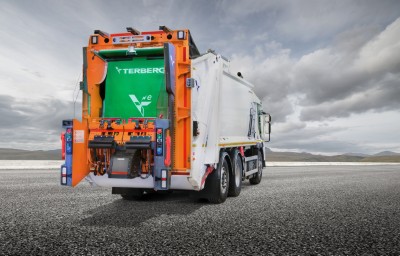
For those looking to make progress in their sustainability goals in the short term, Dennis Eagle says it can provide a proven, practical, and cost-effective option with its range of electric-powered bin lifts, including the Terberg OmniDel-E and OmniDeka-E.
Developed to reduce overall impact on the environment without adding operational complexity, the electric bin lift can can deliver a considerable reduction in fuel consumption compared to its hydraulic equivalent and has the potential to cut annual CO2 emissions by up to 3,500kg per vehicle, the firm says. This reduction in fuel consumption also positively contributes to lowering fleet running costs.
“Our electric bin lift is a proven, no-risk, affordable solution for customers on their journey to a more sustainable future,” said Paul Rochester, general sales manager for bin lifts and weighing at Dennis Eagle.
“It’s the ideal first step – it means customers don’t need to immediately invest in charging infrastructure; they can start saving operational costs and reducing emissions as soon as the trucks are delivered.”
For ease of integration and operation, the electric bin lift’s mechanical and control components are identical to its hydraulic counterpart. Therefore, RCV operators trained on the hydraulic bin lift are essentially already trained to operate the electric equivalent, minimising costs, reducing any potential downtime, and instilling confidence in adopting electric technology.
Noise reduction is another cited benefit, particularly for early morning rounds or those in locations that are noise sensitive, such as schools, hospitals, and care homes. Terberg Matec UK’s electric bin lifts are some of the quietest on the market, says Dennis Eagle, operating almost silently with no need for the RCV’s engine to be revved during operation, helping reduce noise pollution.
These advantages have led Heathrow to select an Elite+ Narrow chassis with an Olympus body and Terberg OmniDel electric bin lift to support with the removal of foreign object debris (FOD) from the airfield.
The solution was chosen for its ability to provide better, more efficient fuel economy, lower operating costs, and almost silent operation, helping Heathrow support its continued aims to reduce environmental impact and achieve its sustainability goals.
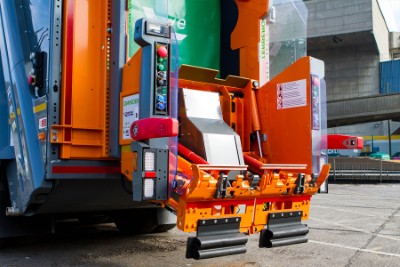 “The compact size and key safety features of the new RCV will make a huge difference to our airside waste collections, not to mention the many economic benefits made possible by the electric bin lift,” said Stuart Roblin, motor transport manager, Heathrow.
“We are very satisfied with the vehicle and grateful for the comprehensive operator and technical training provided by Dennis Eagle’s team. We look forward to its many years of airside operational use.”
Having entered the market in 2011, Terberg’s electric bin lifts are now a well‑established solution with around 800 units introduced into service globally each year. In the UK, the range accounts for roughly 40 per cent of Terberg bin lift sales.
For operators taking their first steps towards net zero, says Dennis Eagle, the Terberg electric bin lift range offers a proven, low‑risk solution that delivers immediate benefits while supporting long‑term sustainability ambitions.