
Prometeon: choosing the right tyres to help cut costs
 With fuel prices rising and margins under pressure, global commercial tyre specialist Prometeon says tyre selection is becoming a key lever for reducing costs, improving efficiency and keeping fleets moving.
Fuel price volatility is nothing new to UK transport operators, says the company; most fleets are well accustomed to navigating fluctuations in diesel costs and the knock-on impact on margins.
However, with recent global pressures once again pushing prices upwards, attention inevitably turns to where efficiencies can be found across the operation.
“One area that continues to offer untapped potential is tyre strategy,” said Prometeon.
“While tyres are often viewed as a necessary cost, their influence on fuel consumption, vehicle uptime and overall operating efficiency means they can play a far more strategic role in controlling costs than is sometimes recognised.”
Start with the operation, not the tyre
When it comes to reducing costs and maximising uptime, says the company, tyre selection needs to begin with a clear understanding of how vehicles are used.
“A long-haul fleet running consistent motorway routes will prioritise low rolling resistance to improve fuel economy. By contrast, urban delivery vehicles require tyres that can withstand frequent stopping, tight manoeuvring and higher levels of wear.
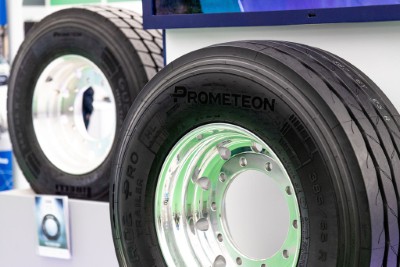
“Modern tyre ranges are designed with these differences in mind. Application-specific tyres – such as those found in Prometeon’s premium Serie 02 range – are engineered to deliver targeted performance benefits depending on the operating environment.
“Matching the tyre to the application is one of the simplest ways fleets can improve both fuel efficiency and tyre life.”
Understanding tyre tiers: where value really lies
In a cost-conscious market, it can be tempting to focus purely on upfront price. However, the real measure of value lies in total cost of ownership, Prometeon says.
Tyre portfolios are typically structured across three tiers, the firm explains. Tier 1 (premium) offers the highest performance, advanced technology and strongest fuel efficiency potential. Tier 2 (mid-range) provides balanced performance with a more moderate upfront cost, while Tier 3 (economy) offers lower purchase price with more limited performance capabilities.
“Premium tyres are often the best choice for high-utilisation fleets, where improved mileage, reduced rolling resistance and longer-lasting casings can deliver meaningful savings over time.
“Mid-range tyres can still offer a practical solution in certain applications, particularly for lower mileage vehicles or less demanding operations where upfront cost remains a key consideration.
“However, with fuel now representing such a significant proportion of operating costs, many fleets are reassessing that balance. The efficiency gains delivered by premium tyres, particularly through lower rolling resistance, mean that what appears to be a higher upfront cost can often translate into a lower overall cost in operation.
“The key is making decisions based on long-term value, not just initial purchase price.”
Fuel efficiency: the hidden savings opportunity
With fuel prices under pressure, the role of tyres in reducing consumption has never been more important, Prometeon contends.
“Rolling resistance – the energy lost as a tyre moves – has a direct impact on how much fuel a vehicle uses. Lower rolling resistance means less energy is required to keep the vehicle moving, resulting in improved fuel economy.
“Advances in tyre technology mean that modern premium products are specifically engineered to reduce energy loss, optimise tread patterns and maintain consistent performance throughout their life.
“For operators, this can translate into measurable fuel savings across the fleet, particularly when multiplied over thousands of miles per vehicle, per year.
“In the current climate, this impact is magnified. As fuel prices rise, even marginal gains in rolling resistance can translate into meaningful savings at fleet level, reinforcing the value of tyres designed for maximum efficiency.”
 Uptime depends on more than the product
While selecting the right tyre is critical, the firm adds, ongoing management is equally important in ensuring consistent performance and avoiding costly downtime.
“Incorrect inflation, poor alignment or mismatched specifications can quickly erode any potential savings.
“This is why many fleets are placing greater emphasis on tyre management programmes, including regular inspections and performance reviews.
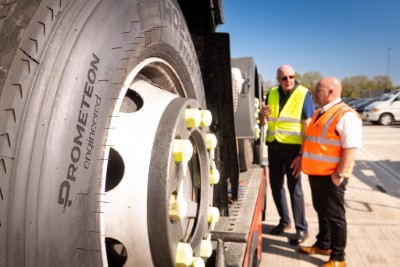
“Prometeon, for example, works closely with its customers through tyre audits and ongoing fleet support, helping operators identify issues early and ensure tyres are correctly specified for their application.
“This proactive approach is increasingly valued by fleets, with regular tyre audits helping identify issues such as pressure anomalies or irregular wear before they lead to downtime.”
Paul Birch, fleet engineer at Brit European, commented: “Prometeon’s input and audits are second to none. Their team helps us spot issues early – whether it’s tracking, pressure, or general wear – and they’re always focused on preventing problems before they start.”
Thinking beyond the first life
Said Prometeon: “Maximising value also means looking beyond the initial life of the tyre.
“Premium tyres are typically designed with durable casings that support regrooving and retreading, extending their usable life and improving return on investment.
“In a high-cost environment, this lifecycle approach allows fleets to extract more value from each tyre while also supporting sustainability goals.”
Conclusion: a smarter approach to cost control
“Tyres may not always be front of mind, but they remain one of the most effective levers for improving efficiency, reducing costs and protecting uptime.
“By selecting the right tyres for the right application, with an increasing focus on premium products that deliver measurable efficiency gains, and taking a more proactive approach to tyre management, fleets can unlock meaningful savings while keeping vehicles on the road.
“As Prometeon’s experience working with fleets across the UK highlights, those who treat tyre strategy as part of a wider operational plan rather than a simple purchasing decision, are best placed to protect uptime and control costs in an increasingly challenging market.”