
TIP: interest in e-reefers is on the increase
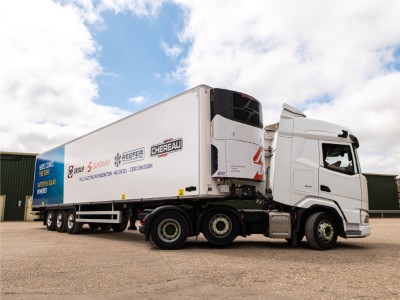 Trailer rental giant TIP reports that it continues to see a growing interest in electric refrigerated trailer (e-reefer) technology, as operators look at ways of cutting emissions and reducing running costs across their temperature-controlled fleets.
To support that transition, TIP rolled out its ‘try-before-you-hire’ e-reefer programme last year, enabling operators to trial different low and zero-emission refrigeration technologies within their own fleet before deciding which solution best suits their operation.
Rather than backing a single approach, TIP has positioned itself as a technology-agnostic provider, recognising that refrigeration requirements can vary significantly depending on route length / number of stops, temperature setpoints required, payloads and other factors.
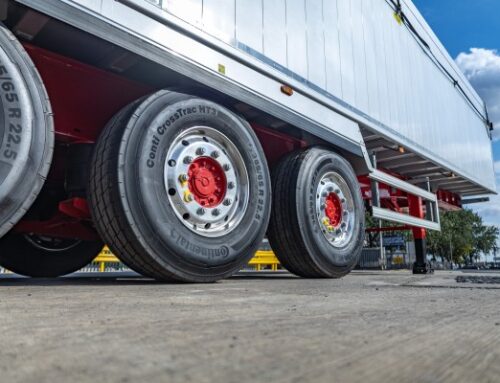
The company is currently offering three e-reefer refrigeration unit technologies across the UK market. It offers an axle energy recuperation system, which recovers energy from braking and downhill travel to power the refrigeration unit, a battery and solar-powered system and retrofit battery-and-solar solution that can be integrated into existing trailers, with existing diesel technology as back-up.
TIP says its experience to-date reinforces general opinion that there is no one-size-fits-all solution for refrigerated transport decarbonisation, with different technologies proving the most suitable for different types of operation.
“Our approach is all about offering practical options that help refrigerated fleets transition towards lower emissions using the technology that best fits their needs,” said Mark Carlin, fleet and engineering director, TIP UK & Ireland.
“We’re now set up to allow operators to trial different solutions as part of our commitment to helping them on their road to zero emissions.”
With a number of operators having signed long-term lease agreements for e-reefer trailers, Carlin confirmed that the ‘try-before-you-hire’ programme is helping operators gain confidence in electric refrigeration technology before making investment decisions.
“Operators understandably want proof that the technology works in their own real-world conditions before they commit,” he said. “TIP’s programme has shown electric refrigeration can deliver the reliability, performance and operational capability fleets need while removing direct refrigeration emissions entirely.”
When an operator is satisfied that a particular e-reefer refrigeration technology works for them, they can then embark on a long-term arrangement to hire. Such an arrangement alleviates the need for upfront capital outlay and TIP argues that this eases operators’ transition towards decarbonising their refrigerated fleet.