
Brigade: supporting drivers with AI video telematics
 Fleet safety specialist Brigade has explained how harnessing the capabilities of AI-powered video telematics systems can help operators support their drivers.
Brigade highlights the huge array of demands professional drivers face, from navigating congested roads to meeting tight delivery schedules, manoeuvring complex urban environments and managing heightened safety expectations.
While much of the industry discussion around telematics centres on fleet oversight and compliance, one of its most important roles is often overlooked, the company contends: supporting drivers themselves by helping to enhance awareness, protect them from risk and offer the reassurance they need to operate confidently and safely.
Brigade says its video telematics go a step further, providing an intelligent, user-friendly means of unlocking a new level of fleet visibility to support today’s highly competitive and fast-paced fleet operations, while providing proactive safety and risk reduction benefits.
The system combines cameras, AI-powered analytics and real-time data into a single platform. According to Jordan Marshall, UK marketing manager at Brigade, for drivers this translates to a safer and more supportive working environment rather than one which equates to increased surveillance.
“Brigade’s system integrates in-cab and external cameras with intelligent event recording, giving drivers an added layer of protection on every journey,” he said.
“Instead of relying solely on memory or third-party accounts after an incident, drivers have access to clear, factual video evidence that accurately reflects what happened on the road.
“This transparency reduces stress and helps drivers feel supported, particularly in high-pressure situations such as urban driving, passenger transport or multi-drop logistics.”
One of the most immediate ways video telematics supports drivers is through incident protection, Jordan explains. Commercial drivers are frequently exposed to liability disputes, especially in busy environments where collisions, near misses or road-user misunderstandings can occur.
“Our video telematics provide recorded footage of objective evidence that can quickly clarify fault and protect drivers from false accusations,” he said.
“Rather than facing lengthy investigations based on conflicting accounts, drivers benefit from clear visual records that demonstrate responsible driving behaviour.
“This not only accelerates claims resolution but also safeguards drivers’ professional reputations and reduces the emotional strain that often follows an incident.”
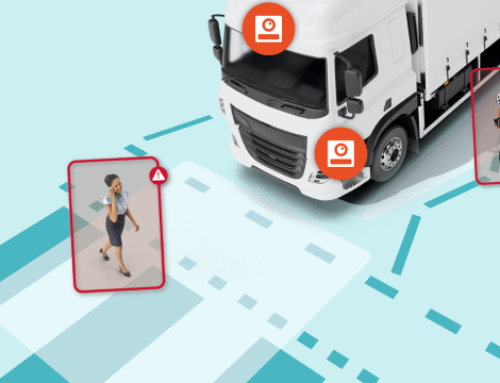
Driving large commercial vehicles requires constant vigilance. Blind spots, vulnerable road users and unpredictable traffic patterns all contribute to cognitive load and fatigue. Video telematics systems support drivers by offering an additional set of ‘eyes on the road’, capturing events and supporting post-journey reviews without distracting them during operation.
 When paired with AI-enabled event recording, the system highlights critical moments such as harsh braking, sudden manoeuvres or near-miss incidents. Fleet managers can then use this data constructively, says Brigade, helping drivers understand challenging situations rather than penalising them – the result being a more collaborative safety culture where drivers feel guided instead of scrutinised.
Traditional driver training often relies on generic feedback or isolated incident reports. Brigade highlights the more personalised and supportive coaching approach its video telematics enables, by providing real journey footage and contextual data.
Fleet managers can use video clips to identify external factors affecting driver performance; provide targeted, constructive feedback; highlight examples of good driving practice; and tailor training to individual driver needs.
This evidence-based coaching helps drivers improve skills with confidence, as feedback is grounded in real scenarios rather than assumptions. It also encourages open dialogue between drivers and managers, strengthening trust and engagement across the fleet.
Drivers operating in sectors such as logistics, construction, municipal services and passenger transport often work in complex and high-risk environments. Frequent stops, urban congestion and interactions with pedestrians and cyclists increase the likelihood of incidents.
“Brigade’s video telematics support drivers in these conditions by automatically recording and flagging safety-critical events,” said Jordan.
“If an incident occurs, footage can be reviewed immediately, allowing operators to respond quickly and provide support rather than leaving drivers to manage the aftermath alone.”
This rapid response capability ensures drivers are not isolated following an incident and reinforces a duty-of-care approach from employers.
A common concern among drivers is that telematics systems may be used solely for disciplinary monitoring. Jordan addresses this concern: “Brigade’s video telematics promote a balanced and fair performance framework by providing context alongside data.
“For example, harsh braking alerts paired with video footage may reveal that a driver reacted appropriately to an unpredictable hazard. This contextual insight prevents unfair judgement and ensures drivers are assessed accurately, improving morale and job satisfaction.”
By recognising both safe and defensive driving behaviours, fleets can shift from a punitive model to a supportive performance culture that motivates drivers rather than discourages them.
Clear communication is essential for driver wellbeing and operational efficiency. Video telematics strengthens this communication, says Brigade, by giving both drivers and managers access to the same visual information. Instead of relying on verbal reports alone, discussions around incidents or route challenges can be based on shared evidence.
This transparency helps to build trust between drivers and management, reduce misunderstandings after incidents, provide reassurance during investigations, and support collaborative problem-solving.
“Drivers are more likely to feel valued when technology is used to support them rather than simply track them,” Jordan added.
 Knowing that journeys are documented and that evidence is available in the event of an incident provides peace of mind, Brigade contends, meaning drivers can focus on the road instead of worrying about potential disputes or unjust blame.
Additionally, it highlights the potential of video telematics to deter aggressive behaviour from other road users and passengers, particularly in public-facing roles such as bus and coach operations – contributing to a safer and more respectful working environment.
“Brigade’s approach centres on using intelligent data and video insights to protect drivers, enhance safety and promote continuous improvement across the fleet,” continued Jordan.
“By shifting the narrative from monitoring to support, fleets can reduce incident rates, strengthen driver retention, foster a positivesafety culture and demonstrate a clear commitment to driver welfare.”
This driver-first philosophy is increasingly important as fleets compete to attract and retain skilled drivers in a demanding industry.
As commercial vehicle technology continues to evolve, the role of video telematics will become even more integral to driver assistance strategies, says Brigade; real-time insights, AI-powered analytics and integrated safety systems will further enhance how fleets support their drivers on the road.
“Brigade’s video telematics stands as a practical example of how technology can be used to protect, guide and empower drivers rather than simply oversee them,” said Jordan.
“In an industry where drivers are the frontline of every operation, investing in solutions that prioritise their safety, confidence and professional development is not just beneficial, but essential for sustainable fleet performance.”