
Lytx: driving fleet safety with behaviour insights
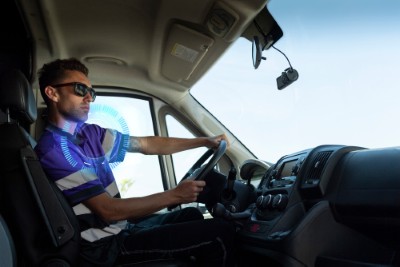 Video telematics specialist Lytx has warned of the increasing importance of understanding the driver behaviours that lead to safety incidents.
Speed data, location tracking and harsh event reporting have helped bring structure and accountability to fleet management, says the company, which has undoubtedly improved operational control and supported compliance.
“However, the challenges facing operators today are more complex than they were a decade ago,” said Oliver Temple, senior regional director, EMEA at Lytx.
“Insurance costs remain elevated, regulatory expectations continue to tighten and public scrutiny around duty of care has intensified. A serious incident now carries financial, operational and reputational implications that extend far beyond vehicle repair.”
He continued: “Collisions rarely arise from a single isolated action. They are more commonly associated with patterns such as distraction, fatigue, following distance, complacency or brief lapses in concentration. Traditional telematics data can indicate that an event has occurred, but it does not always provide sufficient context to explain why.
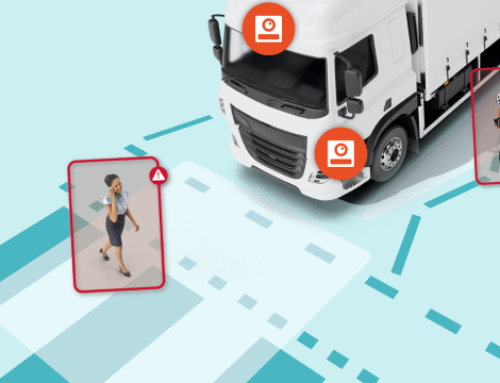
“This is where behavioural insight adds value. By combining video with intelligent analysis of driving behaviour, fleets can move beyond reactive reporting and towards more proactive risk management. Instead of reviewing events solely after an incident, operators are able to identify higher-risk behaviours earlier and intervene through structured coaching, policy reinforcement and driver engagement.”
The growing use of artificial intelligence in fleet technology has accelerated this shift, says Oliver, but the presence of AI alone does not guarantee improved safety outcomes.
“The effectiveness of behavioural detection depends heavily on the quality and scale of the data used to develop it, as well as the governance surrounding its deployment. Systems trained on limited datasets may struggle to interpret context accurately. Conversely, solutions developed using extensive real-world driving data and supported by expert human review are better positioned to deliver meaningful and reliable insight.
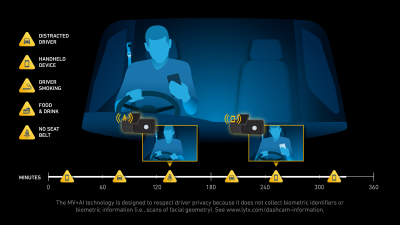 “For UK operators, this distinction is particularly important. Demonstrating proactive management of risk is no longer optional. Operators are expected to evidence that they are actively identifying and addressing potential hazards before incidents occur. Behaviour insight, when applied responsibly, supports this requirement by enabling earlier intervention and more targeted improvement strategies.
“It also plays a role in strengthening driver engagement. When technology is positioned as a protective tool rather than a punitive mechanism, drivers are more likely to participate constructively in safety programmes.”
As AI becomes more embedded across fleet systems, operators must also consider accountability, adds Oliver.
“Transparent methodologies, explainable outputs and ongoing refinement are necessary to ensure that technology supports duty of care obligations rather than complicates them. Fleet leaders should be confident not only in what their systems detect, but in how those detections are generated and validated.”
The next phase of fleet safety will not be defined by the volume of data collected, he predicts, but by how effectively that data is translated into actionable insight.
“Telematics laid the foundation by improving visibility. Behavioural insight builds upon that foundation by helping operators understand root causes and address risk before it escalates.”