
VUE: tackling fatigue with driver monitoring
 VUE Group has outlined its perspective on how driver monitoring systems can help address the issue of driver fatigue, which it highlights as one of the UK commercial vehicle sector’s most serious and underreported risks.
“Studies suggest tiredness likely plays a part in up to 20 per cent of all road incidents and as many as a quarter of fatal collisions,” said VUE.
“For operators running HGV, PSV or LCV fleets, the consequences stretch well beyond the road itself, touching on legal liability, insurance costs and the wellbeing of the people behind the wheel.
“In 2022, fatigue was recorded as a contributing factor in 1,295 road collisions across Great Britain, many of which involved HGVs. The numbers alone do not tell the full story. Incidents involving heavy vehicles tend to be more severe, and the fallout for fleet operators can be significant.”
The firm highlights several factors that are making fatigue harder to manage.
“The average UK HGV driver is now 51 years old, with more than half the workforce aged between 50 and 65. Older drivers are more likely to suffer from conditions like sleep apnoea, which is both common and frequently undiagnosed, and can seriously affect alertness on long runs.
“Despite some improvement since the peak of the shortage in 2021, the driver pool remains stretched. With too few new drivers coming through to replace those retiring from an already ageing workforce, many of those still on the road are under pressure and often running on less rest than they should be.
“Driving while tired is not a specific criminal offence, but that does not let operators off the hook. If a driver is involved in a serious incident and it emerges that the employer had no meaningful fatigue management in place, insurance premiums are likely to rise and the reputational damage to the business can be just as costly.
“Operators have a duty of care to ensure their drivers are fit to be on the road. Written policies are a starting point, but evidence of active monitoring and real intervention, not just paperwork, puts operators in a much stronger position should anything ever be called into question.”
For years, says VUE, fatigue management in fleet operations meant tachograph checks and hoping drivers would speak up if they were struggling.
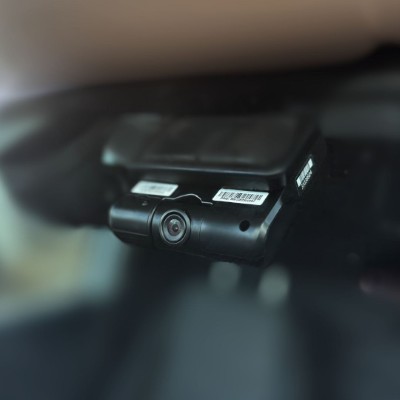
“Both still matter, but neither gives a fleet manager any real visibility of what is happening on the road right now. VUE’s Driver Monitoring System does. Using AI, it detects signs of fatigue directly by monitoring eye closure and yawning, alerting the driver in the moment when those signs are picked up, before fatigue behind the wheel leads to a collision.
“Driver monitoring systems work by using AI to continuously assess a driver’s alertness throughout a journey. When signs of fatigue are detected, the driver is warned immediately, giving them the chance to pull over and rest before the risk escalates.
“For fleet managers, the benefit goes beyond the individual incident. Over time, the data builds a clearer picture of when and where fatigue is most likely to occur across the fleet, making it easier to make smarter decisions around scheduling, shift patterns and driver welfare.
“VUE’s Driver Monitoring System integrates with VUEhub, meaning that information is accessible in one place alongside the rest of a fleet’s telematics data.“
Access to live data changes how fleet managers approach fatigue altogether, the company adds.
“Rather than investigating after something has gone wrong, they can spot patterns early, such as a driver who is regularly flagged on early morning routes, and look into what is actually driving it.
“That might mean adjusting shift patterns, having a conversation, or arranging cover. The point is that it becomes a manageable problem rather than an invisible one.
“Fatigue is not going away, and the pressures that contribute to it are not easing up. But with the right tools in place, operators do not have to wait for an incident to take it seriously.”