
Mer: EV transition is more stable than headlines suggest
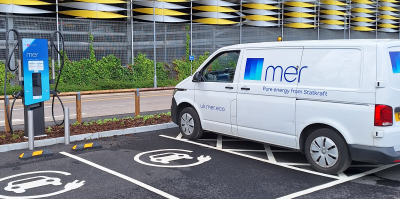 Vehicle charging specialist Mer has said the electrification of fleets should remain a core part of organisational business plans, despite reported uncertainty around the shift to electric vehicles in the media.
“If you’ve spent time reading the news recently, you might believe that the era of vehicle and fleet electrification is on the rocks,” said Natasha Fry, head of sales at Mer Fleet Services.
“There’s shifting political rhetoric, and a constant stream of stories about incentives being scaled back. It has left many fleet managers wondering whether the rug is being pulled from under them. It isn’t. But understanding why requires separating two things that the media consistently conflates: policy and politics.”
She cites the example of the EU softening its zero-emission vehicles mandate for vans and cars, adjusting the 2035 zero-emission vehicle target from 100 per cent to 90 per cent.
“Although arguably a negative step, it’s not a massive upset. In practice, you can’t reach even a 90 per cent reduction in CO2 emissions across the fleet by 2035 without most vehicles being electric.
“Some reporting represented this as a political item – a failure, U-turn in decision-making and intention – generating media coverage far beyond what its actual impact deserved… But the reality is that this target changing doesn’t alter the fundamental direction of travel towards electrification.”
Natasha added: “Fleet managers who want to make decisions with confidence need a transition plan that extends to 2030 and beyond, and accounts for infrastructure lead times, brings the right internal stakeholders in early, and is grounded in real operational data about their current fleet…
“An EV fleet transition plan does not require immediate capital commitment though. It simply requires clarity about what the organisation’s current operation looks like, what any electric vehicles need to achieve to replace it, and what infrastructure investment will be needed at each stage of growth.
“Critically, vehicles and infrastructure need to be planned in tandem. Committing to a new fleet before the charging infrastructure is scoped is one of the most common and costly mistakes in the transition process.”