
Package Control: why quality webbing is the unsung hero of load restraint
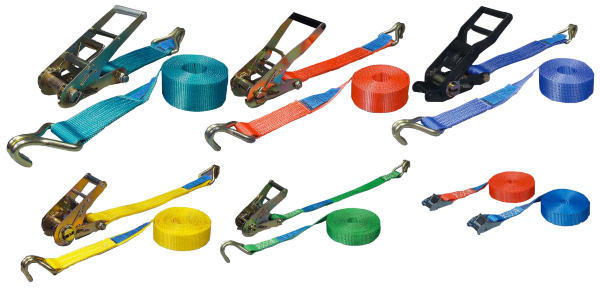 Package Control U.K. Ltd has emphasised the importance of quality webbing when specifying load restraint systems.
“In the world of load restraint, the hardware gets all the glory,” said Package Control.
“Ratchets gleam, hooks look reassuringly solid, and end fittings feel engineered and purposeful. But the truth is simple: the webbing does the real work. It’s the quiet, unassuming component that carries the load, absorbs the shock, and ultimately determines whether a strap performs or fails.”
Inferior webbing can look convincing, says Package Control: it can be dyed the right colour, stitched neatly, and even claim impressive load ratings.
“But under real-world conditions – vibration, moisture, abrasion, UV exposure, sudden dynamic forces – cheap fibres reveal their true nature,” said the firm.
“High-grade polyester webbing, properly woven and consistently manufactured, offers: reliable tensile strength across the entire length; controlled elongation to prevent load shift; resistance to UV, moisture, and abrasion; and predictable behaviour under stress. This is the standard Package Control U.K. Ltd insists on.”
The market is full of straps that look the part but can fail when conditions become demanding, says the company.
“Common issues include: weak spots from uneven weave tension; rapid fraying from low-grade fibres; chemical damage from poor dye processes; and excessive stretch that compromises stability.”
The firm adds that it sources only premium webbing from trusted, audited manufacturers.
“Load restraint is a discipline where small decisions have big consequences. Choosing quality webbing is a reflection of professionalism, responsibility, and respect for the people who share the road.”