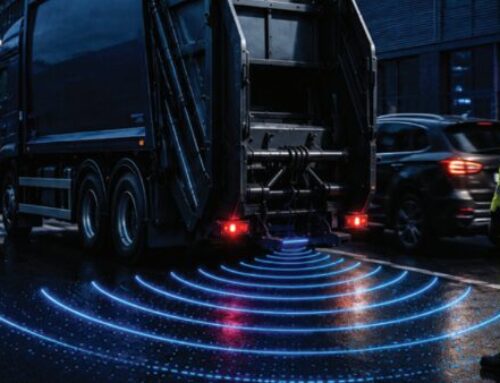

The Handbook Group: are we seeing the bigger picture on road safety?
 Software provider The Handbook Group has emphasised the importance of paying due consideration to the human aspects of a fleet’s safety regime, rather than focusing solely on on-board technology.
“Vehicle safety technology has advanced considerably over the past 15 years,” said Glen Davies, managing director at The Handbook Group.
“Blind-spot cameras, sensors and ‘digital mirrors’ are increasingly common across all vehicle types, improving the information available to drivers and helping reduce collision risks.
“But improved visibility isn’t the same as improved road safety. Seeing a hazard doesn’t necessarily mean recognising it, understanding the risk or responding appropriately. As technology advances, are we paying enough attention to the human factors that determine how effectively it is used?”
Much of the focus on commercial vehicle safety has been on eliminating blind spots, says Glen; improved mirrors, camera systems and direct vision requirements have contributed to this, while initiatives emerging from London have helped place vulnerable road user safety firmly on the industry’s agenda.
“Yet a driver may now have several camera displays, mirrors, warning systems and audible alerts competing for their attention. They all provide useful information, but the driver must interpret it, assess its significance and decide how to respond.
“In a busy urban environment, particularly when manoeuvring a large vehicle, this puts a big demand on attention and decision-making. So the challenge now isn’t about providing more information, but presenting the right information at the right time and in a way it can be interpreted quickly.”
Camera systems can offer advantages over conventional mirrors, he says, including a wider field of view and better visibility in poor conditions.
“However, replacing a mirror with a screen changes how drivers gather information. Although both systems must meet regulatory requirements, there can be differences in monitor positioning that affect a driver’s observation habits.
“Drivers need to be familiar with screen positions, image presentation and the visual cues used to judge distance and movement. This doesn’t make ‘digital mirrors’ less safe, but investment in technology must involve more than fitting equipment. Driver familiarisation, training and an understanding of the system’s limitations are just as important.”
There is also the risk of overreliance, Glen adds.
“As vehicles become increasingly capable of detecting hazards and warning drivers, technology must not become a substitute for observation or judgement.
“Road safety also depends on communication between road users. Drivers, pedestrians and cyclists interpret each other’s behaviour through eye contact, vehicle positioning, speed and movement.
“A pedestrian approaching a crossing or a cyclist alongside a turning vehicle may look towards the driver for an indication that they’ve been noticed. Eye contact doesn’t guarantee that someone has been seen or that a driver will give way but technology that improves driver visibility shouldn’t make things harder for other road users to interpret.
“The familiar ‘If you can’t see my mirrors, I can’t see you’ signage, which has been around for decades, is becoming redundant without warning. Yet the implications for how other road users interact with these vehicles gets very little attention.”
Glen concluded: “Technology is only one part of road safety. Vehicle manufacturers, dealerships, aftermarket suppliers and operators all have a role in considering how equipment affects driver and other road user behaviour and how they interact with each other.
“As well as the investment in technology, drivers need clear, relevant information that helps them adapt to new technology, understand any risks and make safer decisions.”