

CFS on AdBlue: how to comply and keep costs down
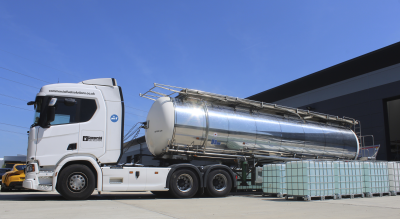 For many haulage operators, AdBlue is viewed as an unavoidable operational requirement, says Commercial Fuel Solutions (CFS) – another rising operational cost in an already challenging market.
“With margins tighter than ever, it’s perhaps no surprise that some operators have been tempted to disable or manipulate their SCR (Selective Catalytic Reduction) systems altogether in a bid to avoid AdBlue consumption or expensive maintenance bills,” said Sean Cole, AdBlue manager at CFS.
“But aside from being illegal, it’s also becoming increasingly difficult to hide…
“For compliant operators, though, AdBlue management is no longer simply about ticking a regulatory box. Increasingly, it’s becoming an area where businesses can improve efficiency, tighten security and reduce unnecessary costs.”
One of the simplest ways to achieve this is through the installation of a fuel management system (FMS) on AdBlue storage tanks, says Sean – particularly for operators using larger volumes or managing multiple depots.
“Systems such as Tecalemit’s HDA unit have become increasingly popular across the transport sector, not only because they support compliance, but because they offer operators far greater visibility and control over product usage.
“At its most basic level, the technology controls access to the tank. Drivers or authorised users require either a PIN code or key fob to dispense AdBlue or fuel, helping to prevent theft and unauthorised use.
“While AdBlue may not carry the same value as diesel or HVO, it remains a surprisingly common target for theft. Forecourt prices regularly exceed £1 per litre, creating the perception that the product is highly valuable, despite bulk-buying operators often paying less than half that amount.
“The real cost of theft, however, often extends beyond the product itself. Damage caused during a break-in can lead to expensive tank repairs, environmental remediation costs, insurance claims and, potentially, increased premiums further down the line.
“And losses do not always come from outside the business. The transport industry has long wrestled with the issue of ‘unofficial borrowing’ – whether that’s a few litres of AdBlue or, more seriously, diesel being taken for personal use. A fuel management system records every transaction, making unusual patterns or excessive usage far easier to identify.”
Yet security is only one part of the story, Sean says.
 “Perhaps the biggest advantage of monitoring AdBlue usage is the insight it provides into operational efficiency. Like a household smart meter that changes behaviour simply by making energy usage visible, an FMS highlights where AdBlue is being consumed, by whom, and in what quantities. What is often treated as a minor background cost suddenly becomes measurable and manageable.
“That data can reveal surprising trends. Certain routes may generate higher consumption. Some drivers may consistently use more AdBlue than others. Different truck manufacturers and models can also show noticeable variation in efficiency. Over time, that information becomes valuable not just operationally, but strategically – helping inform future vehicle purchasing decisions based on whole-life running costs rather than headline acquisition prices alone.”
He continued: “For operators with multiple depots, the benefits become even more pronounced.
“A centralised management system allows transport managers and fuel buyers to monitor usage across every site and vehicle, regardless of where drivers choose to fill up. It also quickly identifies drivers who regularly top up at retail forecourts using fuel cards – often paying more than double the bulk price available on site.
“Those hidden costs can accumulate rapidly across a fleet.
“There are practical advantages too, particularly on shared transport yards or industrial estates where several operators may work from the same location. A single managed AdBlue tank can serve multiple businesses, with each operator allocated individual access and billed accurately for their own usage. In some cases, site owners are even able to offset their own costs through shared supply arrangements.”
When compliance inspections arise, he adds, the administrative burden becomes significantly lighter.
“If the DVSA requests evidence of AdBlue usage, operators with a fuel management system can simply generate a report showing detailed transaction records and consumption data. What might otherwise become a stressful compliance exercise becomes a straightforward administrative task.”